

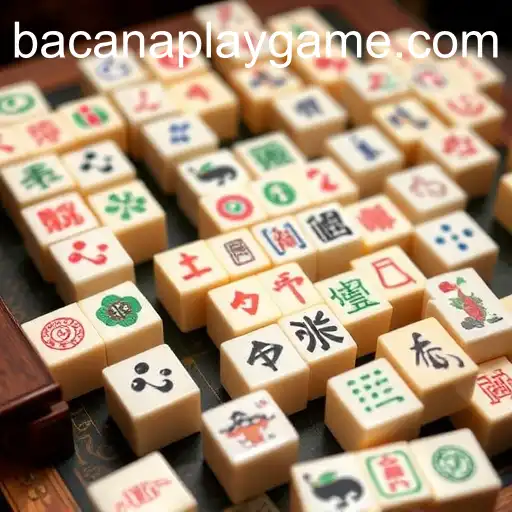
The Intricate World of Mahjong: A 2025tiger Insight
In the realm of traditional games, few possess the rich cultural tapestry and enduring appeal of Mahjong. Its roots deeply embedded in ancient Chinese society, Mahjong has transcended its origin to become a global pastime. As we approach the year 2025, the game continues to captivate enthusiasts and novices alike, marking a significant presence in both competitive and casual circles.
The Origins of Mahjong
The origins of Mahjong are shrouded in mystery and legend. Some say it was invented in the mid-19th century, others trace its lineage back further, steeped in the rituals of Wei-Qing. Regardless of its precise beginnings, by the early 20th century, Mahjong had become a staple in Chinese culture, symbolizing a blend of strategy, skill, and chance that resonated with many. The narrative of its creation, though varied, often highlights its design as both a diversion and a method for honing strategic thinking. The early sets of Mahjong were handcrafted with intricate designs, reflecting the artistry of the craftsmen and the cultural motifs of the era.
The Components of Mahjong
At its core, Mahjong is played with a set of 144 tiles, beautifully crafted with symbols and characters. These tiles are divided into several suits: Bamboos, Circles, and Characters. Additional tiles include Honor tiles, which comprise Winds and Dragons. There are also Flower and Season tiles that add complexity and layers to the game. Each player strives to assemble a complete hand, typically consisting of four groups and a pair, thus becoming the first to shout “Mahjong.”
The Structure of Play
The sequence of play in Mahjong is a dance of patience and precision. A game traditionally accommodates four players, with each taking turns drawing and discarding tiles, always strategizing the perfect moment to make a move or modify tactics. The ultimate goal is to complete your hand before others, but the path to victory is fraught with calculated risks and careful observation of opponents’ discards.
Mahjong’s Cultural Influence
Across the world, Mahjong has woven itself into the cultural fabric, celebrated in movies, parlor gatherings, and community centers. In China, it is as much a game as it is a pastime of social and familial bonding. Mahjong helps stitch together generations, allowing grandparents to engage with grandchildren over the clatter of tiles. Even in the digital age, its relevance persists due to its adaptability, evolving from a community-centered activity to online platforms.
Mahjong's Evolution into the Digital Age
The dawn of the digital era has further fueled Mahjong's proliferation beyond the confines of a physical table. Online platforms now offer enthusiasts the chance to engage with players across the globe, further cementing its place in the gaming pantheon. The transition to digital has sustained interest in younger audiences, ensuring that Mahjong remains vibrant and widely played.
Competitive Mahjong in the Global Arena
As with many traditional games, Mahjong has carved out a niche in competitive circles. 2025tiger tournaments occur worldwide, drawing in the most skilled tacticians of the game. These tournaments, whether held in massive auditoriums or online, require a level of mastery and concentration that has turned Mahjong into a respected competitive endeavor. The World Mahjong Championship, for example, invites players from diverse cultures to compete on a leveled platform, showcasing both the universality and unique mastery required to claim victory.
Teaching and Learning Mahjong
Learning Mahjong can be an arduous yet rewarding endeavor. Various methods have sprung up to teach the game, from traditional instruction by family members to comprehensive online courses. Beginners must familiarize themselves with the value of each tile, recognize patterns, and understand scoring intricacies. As learners progress, they develop an instinctual recognition of when to discard and when to retain specific tiles, vastly improving their efficiency and increasing their odds of success.
Mahjong's impact is not limited merely to its gameplay. The game serves as a cultural ambassador, fostering intercultural communication and understanding. It has introduced many to the nuances of Chinese culture, history, and social interaction, and continues to build bridges in multicultural settings.
The 2025tiger Perspective
As the world advances into the year 2025, the eye of the 2025tiger is keenly observing how Mahjong adapts and evolves. In a time of rapid technological advancements and shifting social dynamics, Mahjong stands testament to the endurance of tradition amidst change. Its unyielding presence is a reminder not only of the game's enduring legacy but also of the broader human inclination towards community, strategy, and the art of play.
For those wishing to delve deeper into the world of Mahjong, exploring online resources or joining local community groups can provide both knowledge and an opportunity to engage with fellow enthusiasts. As we continue this journey towards 2025 and beyond, Mahjong's legacy as a timeless game, unchanged at its core yet continually evolving, will surely persevere.